1. What have been the biggest challenges in building /e/OS and promoting digital freedom beyond Big Tech?
There have been, and still are, challenges at different levels.
From the very beginning, the biggest challenge has not been technical, but cultural. Big Tech
companies are deeply anchored in our society; their products have become symbols of status and convenience. Many users stay within the same ecosystem without questioning it - we are creatures of habit, and few take the time to reflect on what this dependency means.
Most people still don’t realise how deeply their personal data is collected and monetised by Big Tech. For many, the problem doesn’t seem urgent enough to take action. Some even think we’re exaggerating, while the reality of constant digital surveillance is undeniable. Helping users understand that privacy is not just technical, but a matter of freedom and democracy, remains a core part of our mission.
Another challenge is technical: ensuring mobile application compatibility with /e/OS is sometimes challenging in a world where we have only two ultra dominant mobile operating systems publishers who don’t want to play fair and put everything in place to prevent the mobile OS market to be truly open to competition.
Still, awareness around digital sovereignty is growing and luckily, regulation (DMA) is supporting our journey to a better and citizen-supporting digital world.More users now see that having a real choice - outside the Big Tech duopoly - is essential for a healthier digital future.
2. What would you say to users who claim, “I’m just a regular person, I don’t care if Google is watching me – I have nothing to hide”? Why should they care?
Privacy isn’t about hiding but about having control over what you own and who you are. Even if you’re not a public figure, your personal data has value.
It tells companies who you are, what you like, and how you think. With today’s algorithms, this information can be used to influence your behavior, your opinions, and even your choices as a voter or consumer.
We often forget that our photos,messages, and search histories form a detailed portrait of our lives.You may not know where your private pictures end up, or how your personal data is being used. Privacy is a fundamental right - the right to think, to speak, and to share (or not share) freely. Everyone deserves the freedom to decide what to make public and what to keep personal. It’s not about hiding - it’s about preserving human dignity, digital freedom, and the ability to form and express your own opinions on your own terms.
3. Why does your project matter for European digital sovereignty and why should we actually care about European digital sovereignty at all?
Digital sovereignty is about the ability to decide - as individuals, organisations, and nations - how our data, infrastructures, and technologies are controlled. Today, most of Europe’s digital backbone relies on foreign providers. From cloud services to mobile operating systems, key parts of our daily lives depend on a handful of non-European companies.
This dependency makes us vulnerable, not only economically but politically. Imagine if, overnight, access to essential public data - from hospitals or administrations - was restricted because a foreign company or government decided to block it.This is not hypothetical: when Microsoft blocked the International Criminal Court prosecutor Karim Khan’s email account following U.S. sanctions, it showed how quickly a public institution could lose access to its own communications - and how fragile our autonomy really is.
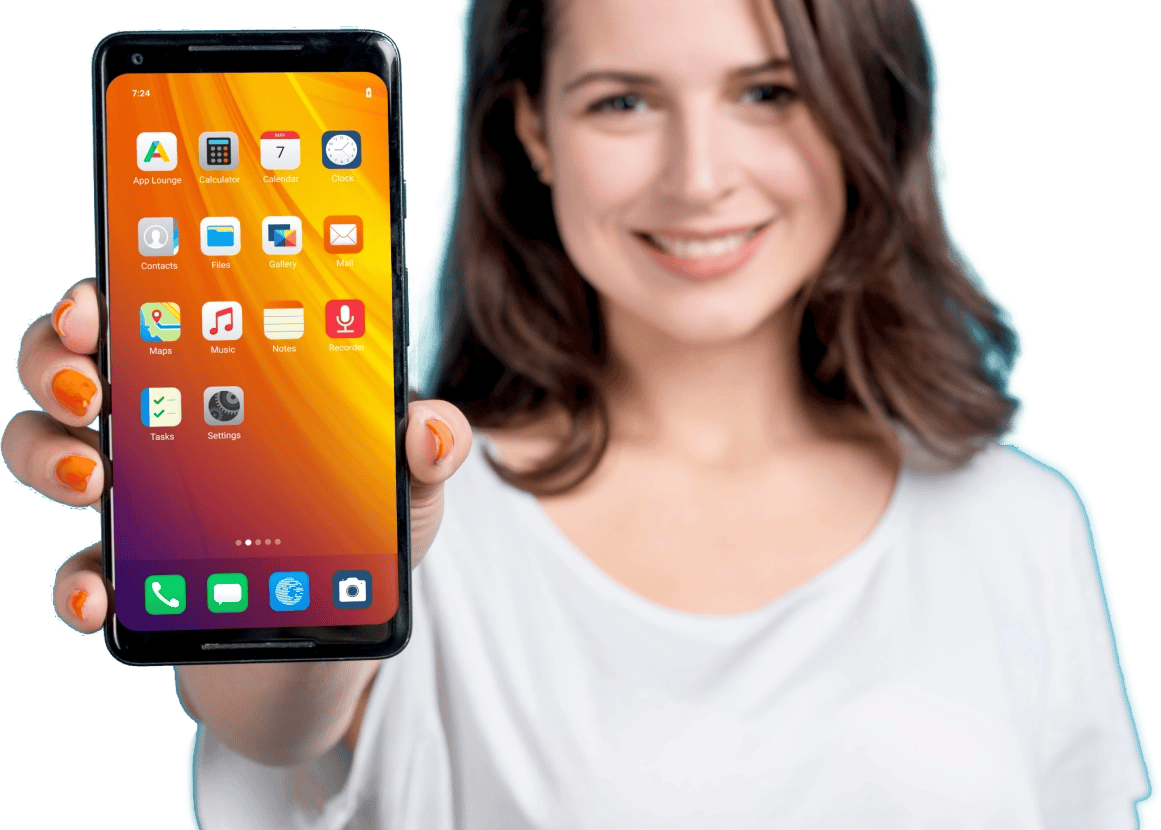
/e/OS matters because it proves that a different path is possible. By offering a complete,
privacy-respecting ecosystem independent from Google or Apple, it demonstrates that Europe can build and maintain its own technological infrastructure. True digital sovereignty begins with individuals regaining control over their data. When citizens are empowered to use technology on their own terms, Europe as a whole becomes more resilient, innovative, and free. It’s time for governments and other European public institutions to understand this and turn it into action - and they will, once the majority of people start asking for it.
The interview was conducted by Katharina Wagner, Communication Assistant at Murena.